
Why Does Concrete Crack? Common Causes, Prevention Tips, and What Homeowners Should Know
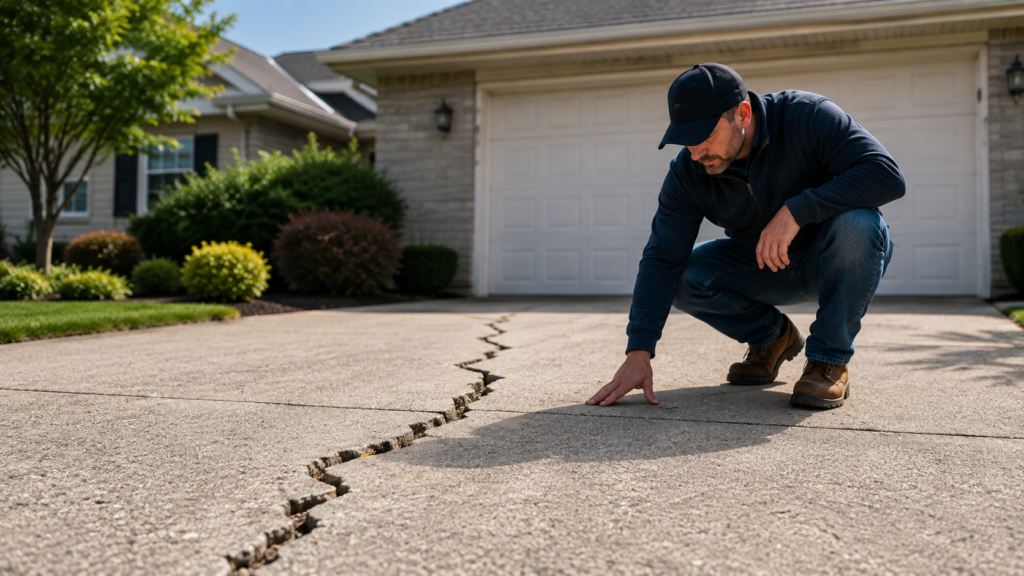
I’ve been pouring and repairing concrete in and around New York for over 20 years, and if there’s one phone call I get almost every week, it’s some version of: “I just noticed cracks in my driveway/patio/sidewalk, and I’m not sure if I should be worried.” Here’s the first thing I tell people. Concrete cracking doesn’t automatically mean something went wrong. In most cases, it’s just concrete doing what concrete does. But some cracks do point to a real problem underneath, and knowing the difference can save you a lot of money and stress. In this guide, I’ll walk you through why concrete cracks in the first place, which cracks are nothing to lose sleep over, which ones need a closer look, and what you can do to keep your driveway, patio, or sidewalk in good shape for decades. Is Concrete Supposed to Crack? Short answer: yes, to some degree, almost all concrete cracks eventually. I know that’s not what people want to hear, especially after paying for a brand new driveway. But concrete is a mix of cement, water, sand, and stone, and as it cures, the water in that mix evaporates, and the slab shrinks slightly. That shrinking has to go somewhere, and it usually shows up as small cracks. So does all concrete crack? In practice, pretty close to it. Even concrete poured by the best crews in the business will develop hairline cracks over time. What separates a good concrete job from a bad one isn’t the total absence of cracks. It’s where those cracks show up, how wide they are, and whether they stay put or keep getting worse. The real question isn’t “will my concrete crack,” it’s “is this crack normal or is it telling me something?” Normal Cracks Serious Structural Cracks What They Mean Hairline width (thinner than a credit card) Wider than 1/4 inch Normal cracks are cosmetic; wide cracks can signal movement below the slab Straight or follow control joints Jagged, diagonal, or stair-step pattern Straight cracks follow the concrete’s natural shrinkage path; irregular ones suggest shifting Stay the same size over months Keep growing or widening Growth usually means an ongoing issue, like erosion or settling, is still happening No noticeable height difference on either side One side higher or lower than the other Height differences point to settlement or a soil problem underneath Dry, no water coming through Water seeping through the crack Water infiltration can erode the base and make the problem worse over time If your cracks match the left column, you’re probably fine. If they match the right column, it’s worth having someone take a closer look. The Most Common Reasons Concrete Cracks There isn’t just one cause. Usually, it’s a combination of a few things working against the slab at once. Here are the ones I run into most often. Drying shrinkage. This is the big one, and it’s completely normal. As concrete cures, it loses moisture and contracts. A typical driveway slab might shrink by a fraction of an inch over its length, and that tension has to release somewhere. Poor curing. Concrete needs to cure slowly and evenly, ideally staying moist for the first several days. If it dries out too fast, especially on a hot, windy day, the surface cures faster than the concrete underneath, and that mismatch causes cracking. I’ve seen crews pour a driveway on a 90-degree July afternoon without covering it, and by the next morning there were already surface cracks forming. Freeze-thaw cycles. This one’s huge for New York homeowners. Water gets into tiny pores in the concrete, freezes, expands, and puts pressure on the surface. Do that every winter for a few years, and you’ll start seeing surface flaking and cracking, especially on driveways and sidewalks that don’t get sealed. Heavy loads. Concrete driveways are usually designed for cars, not delivery trucks or construction equipment. I’ve been called out to look at cracked driveways where the culprit turned out to be a moving truck or a dumpster that sat on the slab for a week. Weak or poorly compacted soil. If the ground underneath wasn’t compacted properly before the pour, the slab can settle unevenly once it’s under load. This is one of the most common causes of the more serious cracks I see. Tree roots. Roots from nearby trees can grow underneath a slab and lift it from below. I’ve dug up more than a few sidewalks in older New York neighborhoods where a root the size of my arm was sitting right under the crack. Water infiltration. Water that gets under a slab, whether from poor drainage or a leaking pipe, can wash away the base material and leave the concrete without proper support. Improper concrete mix. Too much water in the mix makes concrete weaker and more prone to shrinkage cracking. This happens more often than people realize, especially on smaller residential jobs where a crew is rushing. Poor installation practices. Skipping control joints, finishing the surface too early or too late, or not accounting for the site’s drainage all set a slab up for cracking down the road. Different Types of Concrete Cracks Not all cracks are created equal. Here’s how I categorize what I see on job sites. Crack Type Common Cause Severity Should It Be Repaired? Hairline cracks Normal drying shrinkage Low Usually just monitor; sealing helps prevent water entry Surface cracks Rapid drying or poor finishing Low to moderate Cosmetic repair or sealing recommended Crazing cracks Overworking the surface during finishing Low Cosmetic; typically doesn’t affect structural integrity Settlement cracks Weak, uneven, or washed-out soil below Moderate to high Often needs leveling or base repair, not just filling Expansion cracks Missing or failed expansion joints Low to moderate Usually repairable with joint sealant Structural cracks Foundation movement, overloading, or major settlement High Needs professional inspection, possibly slab or foundation repair Crazing cracks in concrete deserve a special mention because they scare people more than they should. These are the
What Causes Concrete to Crack? Common Reasons and How to Prevent It
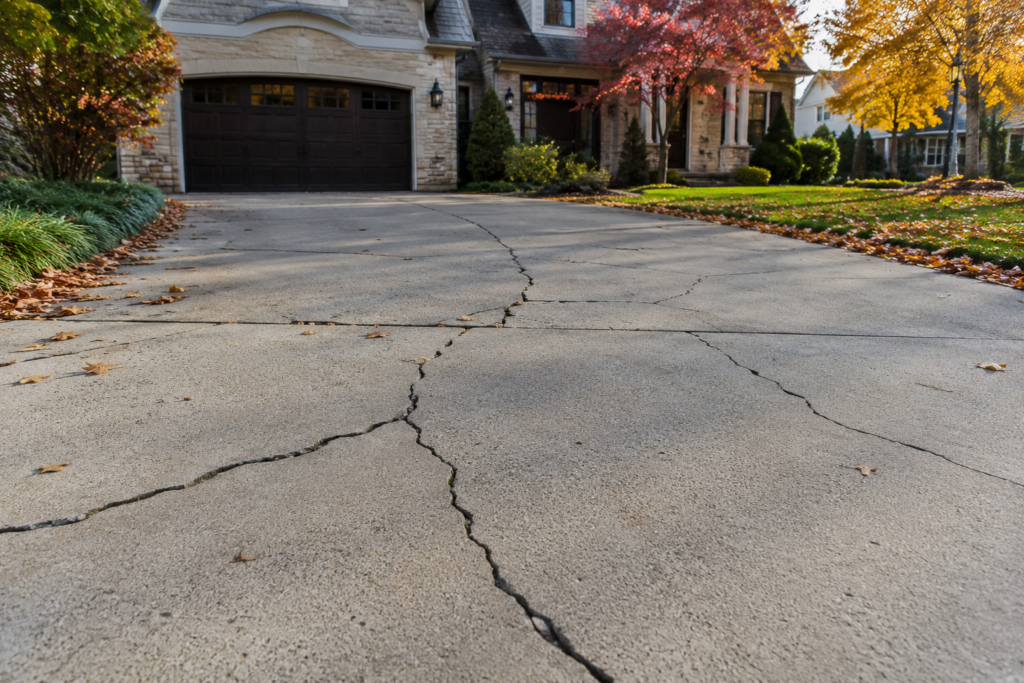
If you just walked outside and noticed a new crack running across your driveway or patio, take a breath. You’re not alone, and it doesn’t automatically mean something went wrong. In twenty-plus years of pouring and repairing concrete around New York, I can tell you that cracking is probably the single biggest thing homeowners call me about. More than color, more than finish, more than anything else. Someone sees a line in their slab and immediately pictures a five-figure replacement job. Most of the time, that’s not where this is headed. Concrete is a material that’s designed to crack in some form. What matters is where the crack shows up, how wide it is, and what’s causing it. In this article, I’ll walk you through the real reasons concrete cracks the ones I actually see on job sites, not textbook explanations plus what’s normal, what’s a red flag, and how a contractor prevents most of this from happening in the first place. Is It Normal for Concrete to Crack? Short answer: yes, to a point. Concrete shrinks as it cures. That’s just chemistry. As the water in the mix evaporates and the slab hardens, it pulls together slightly, and that tension has to go somewhere. Usually it shows up as a thin hairline crack, sometimes barely visible unless the light hits it right. I tell people to think of hairline cracks like the fine lines on an old piece of pottery. They’re part of how the material ages. If you can’t slide a coin into the crack, and the two sides of the slab are level with each other, you’re probably looking at cosmetic cracking, not a structural issue. What crosses the line into “call someone” territory is different. A crack wider than a quarter inch, one side of the slab sitting higher than the other, or cracks that keep spreading over a few months that’s when I’d actually get concerned and want to look at it in person. So don’t panic over every crack you see. But don’t ignore the ones that are changing shape or letting water underneath, either. What Causes Concrete to Crack? There isn’t one single answer here. Concrete cracks for a mix of reasons, and honestly it’s usually more than one factor working together. Let me go through the ones I run into most. Shrinkage During Curing This is the most common cause, hands down. As concrete cures, it loses moisture and shrinks slightly across the whole slab. Contractors plan for this by cutting control joints (more on that below), which give the concrete a planned place to crack instead of cracking randomly across your driveway. Concrete shrinkage cracks usually show up within the first few weeks after a pour, and they’re typically thin and shallow. Freeze-Thaw Cycles in New York This one is huge for us specifically. New York winters put concrete through repeated freezing and thawing, sometimes several times in a single week. Water gets into tiny pores in the concrete, freezes, expands, and puts pressure on the surface from the inside. Do this enough winters in a row, and you’ll start seeing surface flaking, called spalling, along with actual cracking. Freeze-thaw damage is one of the top reasons I get called out to driveways that are only five or six years old. Poor Soil Preparation Concrete is only as good as what’s underneath it. If the base wasn’t compacted properly before the pour, or if there’s soft, uneven soil under the slab, that ground is going to shift over time. When the soil moves, the concrete above it has no choice but to crack or settle. I’d say a good chunk of the “why did this crack so fast” calls I get trace back to a base that wasn’t prepped right, sometimes by a previous contractor, sometimes on an older job before current standards. Heavy Vehicle Loads Driveways and garage floors get driven on, obviously. But there’s a difference between a car and a delivery truck, a dumpster, or heavy equipment. Concrete that wasn’t designed or reinforced for heavier loads can develop cracks from that extra weight, especially near the edges of a slab. If you’re expecting anything heavier than typical vehicles on your driveway, that’s worth mentioning to your contractor before the pour, not after. Tree Roots Roots don’t care what’s above them. As trees near a driveway or walkway grow, their root systems can push up against the underside of a slab and lift or crack it from below. This is a slow process, usually taking years, but it’s a common one on older properties with mature trees close to the concrete. Water Damage Water is patient, and it’s relentless. Whether it’s from poor grading, a downspout dumping right next to your slab, or water pooling and seeping into small cracks and then freezing, water is behind a lot of the concrete damage I see. It gets into any small opening it can find and makes the problem bigger over time. Poor Drainage Related to the above but worth its own mention. If water isn’t draining away from a slab properly, it sits there. Saturated soil underneath concrete shifts more than dry, stable soil, and standing water accelerates freeze-thaw damage in the winter. Good drainage is honestly one of the most underrated parts of a long-lasting concrete installation. Lack of Control Joints I mentioned control joints above under shrinkage, but this deserves its own section because it’s such a common mistake. Concrete expansion joints and control joints give a slab planned weak points where it’s supposed to crack, hiding that cracking in a clean, straight line instead of letting it happen randomly across the surface. If a slab was poured without enough joints, or the joints were spaced too far apart, you’ll often see random cracking running diagonally across the concrete instead of following a joint line. Improper Concrete Mix Not all concrete mix is created equal, and mixing it wrong too much water, wrong ratio of cement to