
How to Prevent Concrete Driveway Cracking and Avoid Costly Repairs
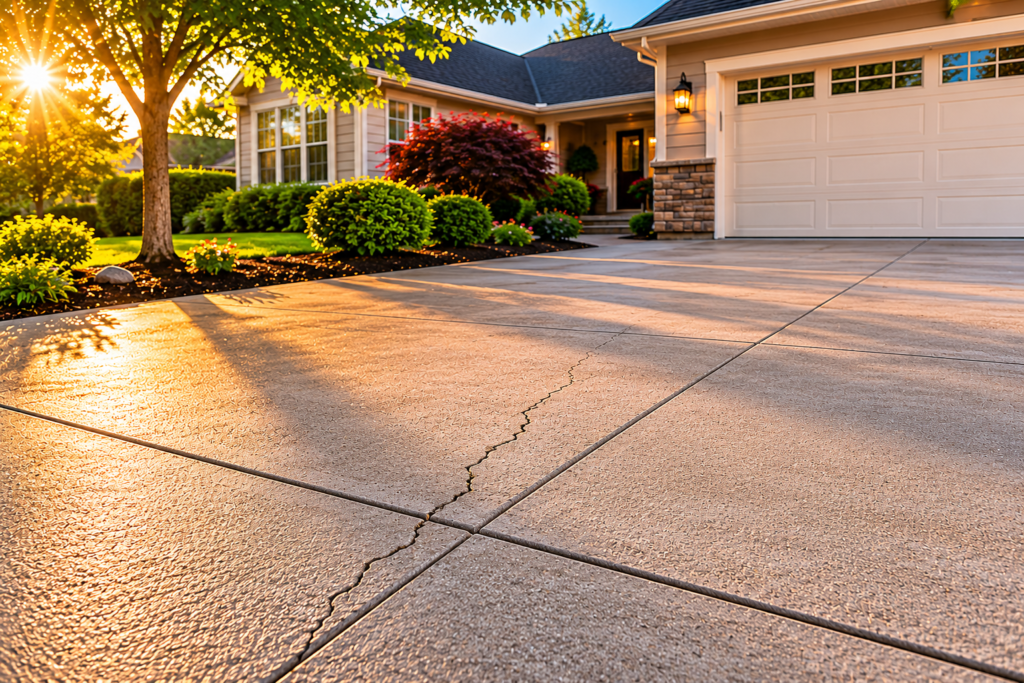
Your driveway takes a beating every single day: rain, ice, UV rays, oil drips, and the weight of vehicles rolling across it year after year. Most homeowners don’t think about it until a crack appears. By then, the damage has already started. The truth is, learning how to maintain a concrete driveway isn’t complicated. It doesn’t require professional tools or a big budget. What it does require is consistency and knowing what to look for before small problems grow into expensive ones. Neglected driveways can cost anywhere from $1,500 for a basic resurfacing to over $10,000 for a full replacement. Preventive concrete driveway maintenance, on the other hand, costs a fraction of that, and it works. This guide walks you through everything: why cracks form, how to stop them, when to seal, and what warning signs you should never ignore. Why Concrete Driveways Crack Concrete is strong, but it isn’t flexible. It expands in heat and contracts in cold. It shifts when the ground beneath it moves. Over time, those stresses add up, and cracks are the result. Here are the most common culprits behind driveway damage: Freeze-Thaw Cycles In colder climates, water seeps into tiny pores in the concrete, freezes, and expands. That expansion puts enormous pressure on the slab from the inside out. Over many winters, this process chips, flakes, and cracks even a well-poured driveway. Poor Installation Not all concrete jobs are created equal. A driveway poured without proper sub-base preparation, insufficient thickness, or inadequate curing time is a driveway that will crack earlier than it should. This is why hiring a reputable contractor matters as much as the concrete itself. Heavy Vehicle Loads Residential concrete driveways are typically designed for passenger vehicles, not delivery trucks or heavy equipment. Parking a loaded moving truck or renting a dumpster that sits directly on your driveway can fracture the slab, especially along edges where the concrete is thinnest. Tree Roots A mature tree planted near your driveway may look beautiful until its roots push up under the slab. Root intrusion causes uneven lifting and cracking that’s difficult and expensive to repair without addressing the tree itself. Soil Movement Shifting soil underneath the concrete causes sections to sink or heave. This is especially common in areas with clay-heavy soil, poor compaction during installation, or after heavy periods of rain that erode the sub-base. Water Infiltration Water is the enemy of concrete. When it gets under the slab through cracks, expansion joints, or poor drainage, it weakens the sub-base, promotes root growth, and accelerates every other cause on this list. Here’s a quick reference for risk levels and prevention methods: Cause Risk Level Prevention Method Freeze-Thaw Cycles High Seal regularly; improve drainage Poor Installation High Hire reputable licensed contractors Heavy Vehicle Loads Medium Avoid parking heavy equipment on slab Tree Roots Medium Plant trees at least 10 ft from driveway Soil Movement Medium Proper sub-base compaction during install Water Infiltration High Seal cracks promptly; manage runoff How to Maintain a Concrete Driveway Properly Good concrete driveway maintenance comes down to four habits. None of them are difficult; the key is doing them consistently. Regular Inspections Walk your driveway every few months with fresh eyes. Look for new cracks (even hairline ones), any spots that feel uneven underfoot, discoloration, or areas where water pools after rain. Catching problems early is the difference between a $30 fix and a $3,000 one. Cleaning Routines Oil, gasoline, and road salt are corrosive to concrete over time. Clean up spills promptly with an absorbent material and rinse the area thoroughly. Give the entire driveway a proper wash with a stiff broom and mild detergent at least twice a year, once in spring and once heading into fall. Avoid using a pressure washer on aging or already-cracked concrete. High pressure can force water into existing fissures and worsen the damage. Drainage Management Water that sits on or flows across your driveway accelerates wear. Check that your gutters and downspouts direct water away from the slab, not toward it. Look for low spots where water pools and consider having a contractor adjust the grade or install a channel drain if the problem is recurring. Weed and Root Control Weeds growing in expansion joints might seem harmless, but their roots are quietly prying those joints wider. Pull weeds by hand as soon as you see them; don’t let them establish a root system. Apply a joint filler or polymeric sand to expansion joints to reduce the space where seeds can germinate. Step-by-Step Guide to Prevent Concrete Driveway Cracking Follow these six steps to give your driveway the best chance at a long, crack-free life. Step 1: Clean the Surface Regularly Use a stiff-bristle push broom and a mild concrete-safe detergent to remove dirt, debris, and organic material. Rinse thoroughly. Do this at minimum twice per year. For oil stains, use a degreaser and let it sit for 10–15 minutes before scrubbing. Step 2: Seal the Driveway Every Few Years Sealing a concrete driveway is the single most effective thing you can do to extend its life. A quality sealer creates a moisture barrier that protects against freeze-thaw damage, staining, and surface wear. Plan to reseal every 2–3 years, or sooner if you notice the surface has become porous or dull. Step 3: Address Small Cracks Immediately Don’t wait on cracks, not even small ones. Water entering a hairline crack will widen it during the first freeze. Use a high-quality liquid concrete filler or polyurethane caulk for cracks under 1/4 inch. For wider cracks, use a cement-based patching compound. Clean the crack thoroughly before applying any filler. Step 4: Improve Drainage Extend downspouts at least 6 feet away from your driveway. If water runs across the slab from a neighboring yard or lawn, consider adding a small berm or swale to redirect it. Improving drainage is one of the highest-impact, lowest-cost ways to prevent driveway damage. Step 5: Avoid Excessive Weight Loads Keep heavy construction equipment, overloaded delivery trucks,