How Long Do Pavers Last and How to Extend Their Lifespan
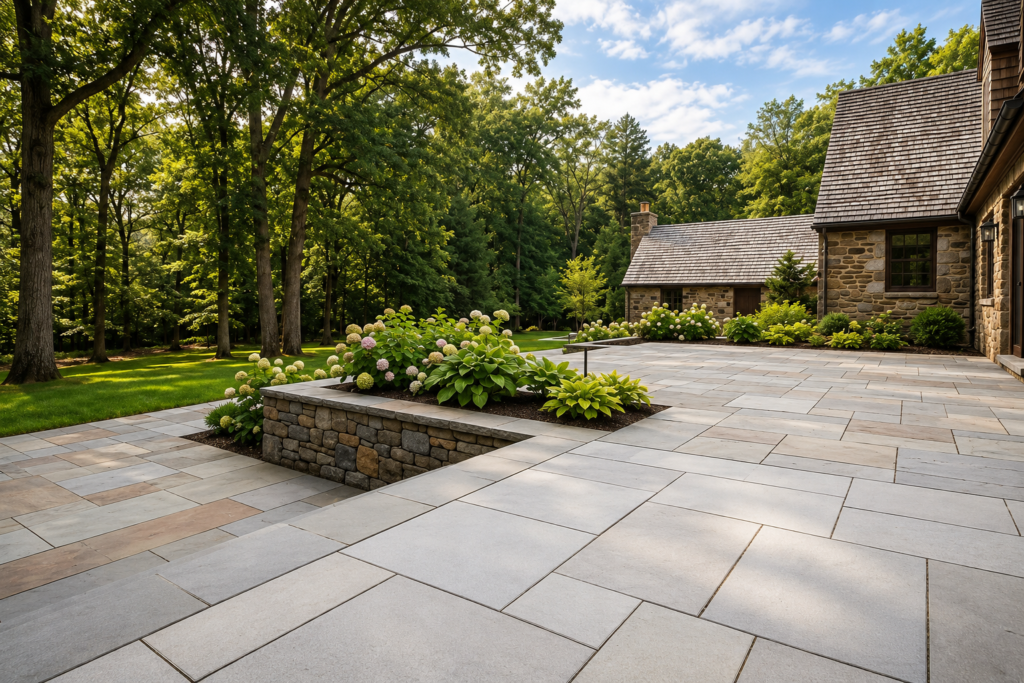
If you’re thinking about installing a new patio, driveway, or walkway, one of the first questions you probably have is: how long do pavers last? It’s a fair question; pavers aren’t cheap, and you want to know you’re making a smart long-term investment. The short answer? Pavers can last anywhere from 25 years to over 100 years, depending on the material, how well they’re installed, and how much care you give them. But that’s a wide range, and the details really matter, especially here in New York, where brutal winters, freeze-thaw cycles, and heavy foot and vehicle traffic can be hard on outdoor surfaces. In this guide, we’ll break down everything you need to know about paver lifespan, from material differences to maintenance strategies to the real-world factors that determine how long your pavers hold up. Whether you’re planning a backyard patio, a front walkway, a pool deck, or a commercial parking area, this guide has you covered. How Long Do Pavers Last on Average? Most quality paver installations last 25 to 30 years with basic maintenance. But the realistic ceiling is much higher than that. Here’s the thing: pavers were actually designed to last a very long time. Unlike poured concrete slabs, which can crack and require full replacement, individual pavers can be swapped out one at a time. That means even if a few pavers chip or crack over the years, you don’t have to redo the whole surface. When properly installed and maintained, many paver installations outlive the homeowners who put them in. It’s not unusual to see 50-year-old brick pavers in older New York neighborhoods that still look great with a little cleaning and re-sanding. That said, not all pavers are created equal. The material you choose plays a major role in how long your pavers last. Average Lifespan by Paver Type Concrete Pavers Concrete pavers are one of the most popular choices for residential driveways, patios, and walkways in New York. They’re durable, affordable, and come in a huge range of colors and styles. Average lifespan: 25–50 years Concrete pavers are manufactured under controlled conditions to achieve high compressive strength, making them tougher than poured concrete slabs. They handle heavy loads well, making them a solid choice for driveways. Over time, they can fade slightly in color, but structurally, they hold up very well. Brick Pavers Brick pavers have a classic look that works beautifully in both traditional and modern settings. They’re made from fired clay, which gives them a natural durability that’s hard to beat. Average lifespan: 50–100 years Brick pavers are extremely long-lasting. In fact, many historic New York streets are still paved with original clay bricks from the 19th and early 20th centuries. They’re naturally resistant to fading and can look even better as they age. The main vulnerability with brick is that it can be slightly more porous than concrete, which means sealing is important in freeze-thaw climates. Natural Stone Pavers Natural stone, such as bluestone, granite, travertine, slate, and flagstone, is the premium option. These pavers are quarried directly from the earth and, when properly maintained, can literally last for centuries. Average lifespan: 50–100+ years Granite pavers, for example, are virtually indestructible under normal use. Bluestone is extremely popular in New York for patios and walkways because it handles the climate well and has that timeless look. Travertine and slate are more porous and require more attention, but they’re still exceptional performers over the long run. Porcelain Pavers Porcelain pavers are a newer option that has been gaining popularity fast, especially for pool decks and modern outdoor spaces. Average lifespan: 30–50+ years Porcelain is incredibly dense, non-porous, and resistant to staining, fading, and frost damage. They’re a great choice for low-maintenance applications, though they can be more challenging to repair if cracked, since matching exact tiles later can be difficult. Factors That Affect Paver Longevity Knowing the average lifespan is just the starting point. The actual lifespan of your pavers depends on several key factors. Let’s walk through each one. 1. Installation Quality This is the single biggest factor, and it’s one that many homeowners underestimate. Even the best pavers will fail prematurely if they’re not installed correctly. Proper installation involves: When any of these steps are rushed or skipped, you’ll see problems within 5 to 10 years, settling, heaving, cracking, and water pooling. A quality installation by an experienced hardscaping contractor is always worth the investment. “The lifespan of pavers comes down to three things: the base, the base, and the base. Get the foundation right, and the pavers on top will take care of themselves for decades.” Mike Ferrara, Master Hardscape Installer with 25+ years of experience in the New York tri-state area 2. Drainage Poor drainage is the silent killer of paver installations. When water pools beneath or around pavers, especially in a freeze-thaw climate like New York, it causes the base to shift, heave, and crack. Good drainage means the surface is sloped slightly (typically 1/8 to 1/4 inch per foot) away from structures, and that the base material allows water to percolate through or redirect it safely away. 3. Traffic and Load A residential patio sees very different wear than a commercial driveway or a loading dock. Pavers for high-traffic or heavy-load applications need a deeper base and potentially a thicker paver to handle the stress. For driveways specifically, look for pavers rated for vehicular traffic, typically at least 2 3/8 inches thick for concrete pavers, and with a base depth of 8 to 12 inches of compacted aggregate. 4. Sealing Sealing your pavers protects them from moisture penetration, UV fading, staining, and the freeze-thaw cycle. It’s one of the most cost-effective things you can do to extend paver lifespan. Most pavers benefit from sealing every 3 to 5 years, depending on the product and the level of exposure. 5. Maintenance Habits Regular sweeping, occasional cleaning, and prompt attention to any settling or cracking all add years to a paver installation. Pavers that are